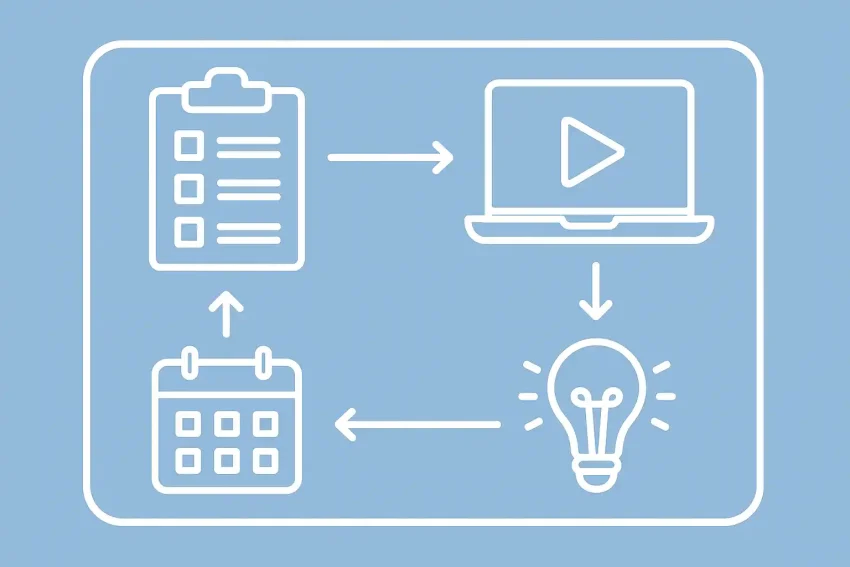
Embarking on a YouTube journey is exciting, but for many creators, maintaining consistency and seeing real growth can feel like navigating a maze. One of the biggest secrets to long-term success isn’t just about creating great videos; it’s about effective YouTube content planning. Without a clear strategy, it’s easy to fall into the trap of inconsistent uploads, fluctuating engagement, and creator burnout. This article aims to be your guiding light, offering practical, beginner-friendly advice on how to plan your content effectively, ensuring you build a sustainable and thriving channel.
Thinking strategically about your channel from the outset can transform your creative process from a reactive scramble into a proactive, enjoyable endeavor. Let’s dive into how you can map out your journey to connect with your audience and make your mark on YouTube.
Understanding Your Audience: Who Are You Talking To?
Before you even think about what videos to make, the most crucial step is to understand *who* you’re making them for. This is the heart of audience targeting. Imagine trying to tell a joke without knowing your audience – it often falls flat. On YouTube, it’s the same principle. You need to know their demographics (age, location, gender), their interests, their challenges, and what kind of content they seek.
Start by asking yourself: Who would genuinely benefit from or enjoy my content? What problems can I solve for them? What questions do they have? Dig into your existing YouTube analytics if you have a channel, or look at the comments and community tabs of similar channels. These insights are goldmines for understanding your potential viewers. When you truly know your audience, your content will resonate deeply, building a loyal community around your channel.
Smart Topic Selection: Finding Your Niche and Voice
Once you have a clear picture of your ideal viewer, the next step is topic selection. This isn’t just about picking random ideas; it’s about choosing subjects that align with your channel’s niche, interest your audience, and have a good chance of being discovered.
Brainstorming is a great start. Jot down everything that comes to mind related to your niche and your audience’s needs. Then, refine these ideas. Look for search volume – what are people actually typing into YouTube’s search bar? This is where tools become incredibly helpful. For instance, many creators find that using platforms like VidIQ for keyword research and trend analysis can significantly streamline their planning. By understanding what’s trending and what keywords are being searched, you can make informed decisions about your content. You can explore relevant topics and keywords to inform your *YouTube content planning* effectively by signing in and utilizing its robust features at https://vidiq.com/login. This ensures your chosen topics aren’t just interesting to you, but also to a broader audience actively looking for that information.
Consider a mix of evergreen content (topics that remain relevant over time, like “How to start a YouTube channel”) and timely content (related to current events or trends, like “Best cameras for YouTube in 2024”). This balance keeps your channel fresh while providing a consistent base of searchable videos.
Developing Engaging Content Ideas: Beyond Just Topics
Having a topic is one thing; turning it into an engaging video is another. This section is about transforming your chosen topics into compelling content ideas. Think about different formats: tutorials, reviews, vlogs, interviews, Q&As, challenges, or even compilation videos. Diversifying your content keeps your channel interesting and caters to different viewing preferences.
For each topic, outline the key points you want to cover. What’s the hook that will grab viewers’ attention in the first 10-15 seconds? What value are you providing? How can you make it unique to your perspective? Don’t be afraid to experiment with storytelling, visuals, and editing styles. A well-structured video, even on a common topic, can stand out simply by being more thoughtful and engaging than the competition. Remember, quality often trumps quantity, especially when you’re aiming for audience retention.
Crafting a Sustainable Upload Schedule: Consistency is Key
Many new creators struggle with establishing an upload schedule, fearing they need to post daily. The truth is, consistency is far more important than sheer frequency. It’s better to commit to one high-quality video a week than three rushed, poorly produced videos that leave your audience wanting more (in a bad way).
Reflect realistically on your available time and resources. Can you consistently produce one video a week? One every two weeks? Even once a month, if done consistently and well, can build momentum. Your audience will learn when to expect new content from you, fostering anticipation and regular viewership. Communicate your schedule clearly to your subscribers, and do your best to stick to it. Life happens, of course, but having a buffer of pre-filmed and edited videos can save you during busy periods and help prevent burnout, a common challenge for many creators.
Bringing It All Together: Your Content Calendar
Now that you’ve got your audience, topics, and content ideas, it’s time to organize it all into a tangible plan: a content calendar. This is your channel’s roadmap, helping you visualize your content pipeline and stay on track. A simple spreadsheet, a digital planner, or even a physical calendar can serve this purpose.
For each planned video, include details like:
- The video topic and title (even if provisional).
- Target keywords.
- Target audience segment.
- Filming and editing deadlines.
- Planned upload date.
- Status (e.g., “scripting,” “filming,” “editing,” “scheduled”).
- Ideas for thumbnails and titles.
- Call to action (CTA) for the video.
This organized approach minimizes last-minute stress and ensures you’re always thinking ahead. It also allows you to identify any gaps in your content or opportunities for themed series. Remember, your content calendar is a living document – it’s a guide, not a rigid set of rules. Be prepared to adapt and adjust based on performance, audience feedback, or emerging trends.
Your Path to YouTube Growth Starts Here
Building a successful YouTube channel is a marathon, not a sprint. The foundation of that marathon is solid YouTube content planning. By taking the time to understand your audience, wisely select your topics, develop engaging ideas, and stick to a sustainable upload schedule, you’re not just making videos – you’re building a brand, a community, and a sustainable creative venture.
Don’t be overwhelmed by the initial planning process. Start small, be consistent, and learn along the way. Your efforts in planning will pay off immensely, leading to more targeted content, increased engagement, and ultimately, a more fulfilling and successful YouTube journey. Happy creating!