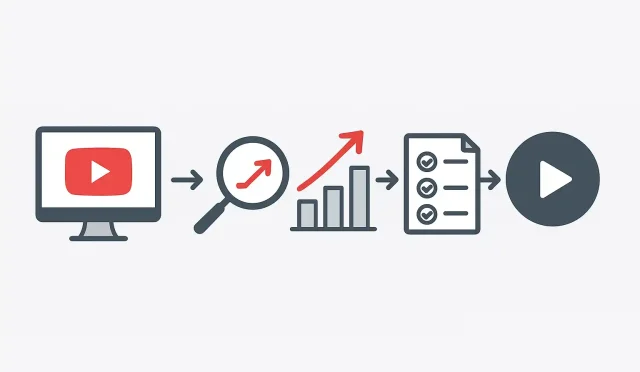
In the vast ocean of online video, standing out on YouTube can feel like a monumental task. Every day, countless videos are uploaded, making it harder for creators to get their content discovered. This is where YouTube SEO comes into play. It’s not just about making great videos; it’s about making sure those great videos actually get seen by the right audience. Think of SEO as your compass, guiding viewers to your content amidst the digital noise.
If you’ve ever wondered how some videos consistently rank at the top of search results or appear in suggested videos, it’s often due to effective optimization. Understanding the basics of how YouTube’s algorithm works and how to align your content with it is crucial for sustainable growth. This guide will walk you through the essential components of YouTube SEO, from finding the right words to crafting compelling titles and descriptions, all designed to help your channel flourish.
What Exactly is YouTube SEO?
At its core, YouTube SEO (Search Engine Optimization) is the process of optimizing your videos to rank higher in YouTube’s search results and appear more frequently in suggested videos. Just like Google uses SEO to rank websites, YouTube uses its own set of ranking factors to determine which videos are most relevant and valuable to a viewer’s search query. It’s about helping YouTube understand what your video is about so it can show it to the people who are looking for exactly that.
The goal isn’t to trick the system but to provide clear signals that accurately represent your content. When YouTube understands your video, it can connect it with an audience genuinely interested in what you have to offer. This leads to more views, longer watch times, and ultimately, a more engaged community around your channel. It’s a fundamental skill for any creator serious about growing their presence on the platform.
Keyword Research: The Foundation of Discovery
Every successful SEO strategy begins with thorough keyword research. Keywords are the words and phrases people type into the YouTube search bar to find videos. Identifying the right keywords means understanding what your potential viewers are searching for. Without this step, even the most amazing video might go undiscovered simply because it’s not optimized for the terms people are using.
How to Find Relevant Keywords:
- YouTube Search Bar: Start typing a topic related to your video into the YouTube search bar. YouTube’s autocomplete suggestions are a goldmine of popular search queries. These are real searches people are making.
- “People Also Ask” & Related Searches: When you search for something on Google, look at the “People also ask” section and “Related searches” at the bottom of the page. These often reveal broader topics and questions your audience might have.
- Competitor Analysis: Look at what keywords successful channels in your niche are using. What are their most popular videos about? What terms do they use in their titles and descriptions?
- Analytics Tools: Advanced tools can provide deeper insights into search volume and competition for specific keywords. We’ll touch on this more later.
When conducting keyword research, aim for a balance between high-volume keywords (many people search for them) and niche-specific keywords (less competition, more targeted audience). Sometimes, a smaller, more dedicated audience is more valuable than a huge, uninterested one.
Understanding Your Competition Through Analysis
Analyzing your competition isn’t about copying them; it’s about learning from their successes and identifying opportunities. By studying what other creators in your niche are doing, you can refine your own strategy and find unique angles for your content. It’s an integral part of effective YouTube SEO.
What to Look For When Analyzing Competitors:
- Top-Performing Videos: Which of their videos have the most views? What topics do they cover? How are their titles and thumbnails designed?
- Keyword Usage: Pay attention to the keywords they use in their video titles, descriptions, and tags. This can give you ideas for your own keyword research.
- Engagement: How do viewers interact with their content? Look at comments, likes, and dislikes. High engagement often signals a strong connection with the audience.
- Video Structure & Pacing: Observe how they structure their videos. Do they use intros, outros, specific segments? How long are their videos typically?
This analysis helps you understand what resonates with your shared audience and where there might be gaps you can fill with your unique perspective. It’s about being strategic, not imitative.
Crafting Compelling Titles that Get Clicks
Your video title is one of the most critical elements for both SEO and attracting viewers. It’s the first thing people see, often alongside your thumbnail, and it plays a huge role in their decision to click. A great title should be informative, engaging, and optimized for search.
Tips for Effective Video Titles:
- Include Your Main Keyword: Place your primary keyword naturally, ideally at the beginning of the title. This immediately signals to both YouTube and viewers what your video is about.
- Be Clear and Concise: Avoid jargon. Make it easy for people to understand the value of your video at a glance.
- Evoke Curiosity or Offer a Benefit: Titles that promise to solve a problem, teach a skill, or entertain can significantly increase click-through rates. For example, instead of “My Day,” try “My Daily Routine: How I Stay Productive (Vlog).”
- Keep it Within Limits: While YouTube allows for longer titles, aim for around 60-70 characters to ensure it’s not truncated in search results or on mobile devices.
A well-optimized title is your video’s headline. It needs to grab attention and provide enough information for viewers to know exactly what they’re getting into.
Optimizing Your Video Descriptions for Discovery
Your video description is a powerful tool for providing context to YouTube’s algorithm and giving viewers more reasons to watch. It’s where you can expand on your title and include additional relevant keywords and information.
Key Elements of an Optimized Description:
- Front-Load Keywords: Start your description with your main keywords and a brief summary of your video. The first few lines are what viewers see without clicking “show more.”
- Detailed Explanation: Use this space to explain what your video covers in detail. Think of it as a mini-blog post for your video, naturally weaving in secondary keywords.
- Timestamps/Table of Contents: For longer videos, timestamps help viewers navigate to specific sections, improving their experience and indicating to YouTube that your video is well-structured.
- Relevant Links: Include links to your social media, website, or other related videos.
- Call to Action: Encourage viewers to subscribe, like, or comment.
A good description helps YouTube understand the full scope of your content, leading to better placement in search results and recommended videos. It also enhances the viewer experience by providing valuable additional information.
Tags, Thumbnails, and Engagement: The Supporting Cast
While titles and descriptions are paramount, other elements contribute to your video’s discoverability and performance:
- Video Tags: While their impact on search ranking has diminished, tags still provide YouTube with additional context about your video’s topic. Use a mix of broad and specific tags relevant to your content.
- Custom Thumbnails: A compelling thumbnail can be just as important as your title, if not more so, for attracting clicks. Make it clear, high-quality, and visually engaging.
- Watch Time & Engagement: YouTube prioritizes videos that keep viewers on the platform longer. High watch time, likes, comments, and shares all signal to YouTube that your content is valuable, boosting its ranking potential.
Streamlining Your YouTube SEO with Tools
While manual keyword research and competitor analysis are valuable, tools can significantly streamline the process. They provide data-driven insights that can be hard to gather on your own. For instance, a dedicated browser extension can show you a video’s tags, keyword volume, and even channel stats, making competition analysis much more efficient.
Tools like VidIQ are designed to assist creators with various aspects of YouTube SEO, from helping you find high-performing keywords to analyzing your competitors’ strategies and optimizing your own video metadata. They offer features that can highlight popular keywords, suggest relevant tags, and even provide real-time feedback on your video’s SEO score before you publish. This kind of assistance can be invaluable for creators looking to make data-informed decisions and ensure their content has the best chance of being discovered. If you’re ready to explore how a tool can support your growth, you can check out VidIQ and its features.
Consistency and Quality are Key
Ultimately, YouTube SEO is not a one-time fix but an ongoing strategy. Consistent effort in applying these principles to every video you upload will yield the best results. Moreover, remember that SEO is there to help people find your content, but it’s the quality of your content that keeps them watching and coming back. Focus on creating valuable, engaging videos, and then use SEO to ensure they reach the widest possible audience.
By investing time in understanding keyword research, analyzing your competition, and meticulously optimizing your titles and descriptions, you’re building a solid foundation for long-term growth on YouTube. It’s about working smarter, not just harder, to get your creative work discovered and appreciated by a thriving community.