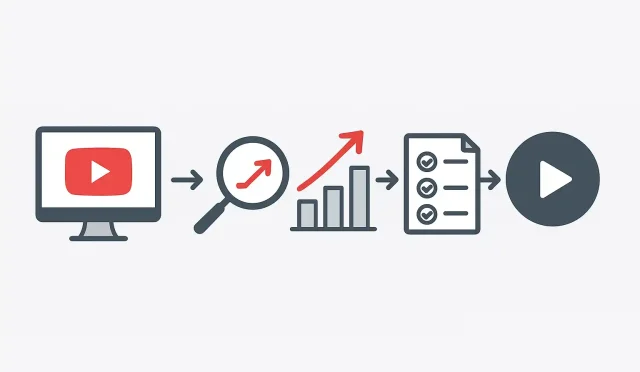
In the vast world of online video, getting your content discovered can feel like finding a needle in a haystack. This is where YouTube SEO comes in. It’s not just about making great videos; it’s about making sure the right people find them. By understanding and applying fundamental search engine optimization principles to your YouTube content, you can significantly increase your visibility, attract more viewers, and grow your channel organically. Let’s break down how YouTube SEO works, step by step, to help your videos stand out.
What is YouTube SEO and Why Does It Matter?
At its core, YouTube SEO involves optimizing your videos and channel to rank higher in YouTube’s search results and recommendations. Think of it as telling YouTube exactly what your video is about so it can show it to users who are actively looking for that type of content. When your videos rank well, they get more impressions, more clicks, and ultimately, more views. This translates into greater audience engagement, potential subscribers, and a more successful creator journey. It’s a sustainable strategy for long-term channel growth.
Understanding the YouTube Algorithm
Before diving into specific tactics, it’s helpful to understand the goals of the YouTube algorithm. YouTube wants to keep viewers on the platform for as long as possible, showing them content they enjoy and find relevant. The algorithm considers various signals to determine a video’s ranking and recommendation potential, including:
- Relevance: How well your video matches a user’s query or interests.
- Engagement: Watch time, likes, dislikes, comments, shares, and click-through rate (CTR) from impressions.
- Audience Satisfaction: How happy viewers are with your content, often measured by retention and survey responses.
By focusing on these areas, you’re essentially working with the YouTube algorithm, not against it.
Step 1: Strategic Keyword Research for YouTube
The foundation of any successful video SEO strategy is robust keyword research. This is how you identify the exact terms and phrases your potential audience is typing into the search bar. Skipping this step is like producing a play without knowing if anyone wants to see it.
How to Find the Right Keywords:
- YouTube Search Bar: Start typing a topic into YouTube’s search bar and observe the autocomplete suggestions. These are real queries people are making.
- Google Search: Look at the “People also ask” section and “Searches related to” at the bottom of Google search results for video-related topics.
- Competitor Videos: Analyze the titles, descriptions, and tags (where visible) of popular videos in your niche. What keywords are they targeting?
- Audience Insights: Think about your target audience. What questions do they have? What problems are they trying to solve?
- Dedicated SEO Tools: Tools designed specifically for YouTube can streamline this process. For instance, platforms like VidIQ offer comprehensive keyword research features, allowing you to discover high-volume, low-competition keywords, track trends, and even analyze what keywords your competitors are ranking for. Using such tools can give you a significant advantage in uncovering valuable search terms for your content.
Focus on a mix of broad keywords and more specific “long-tail” keywords (e.g., “how to edit videos” vs. “how to edit cinematic travel videos on Premiere Pro”). Long-tail keywords often have less competition and attract a more targeted audience.
Step 2: Analyzing Your Competition
Once you have a list of potential keywords, it’s time for a thorough competition analysis. This isn’t about copying; it’s about learning and finding opportunities. Look at videos that rank well for your target keywords:
- What are their titles like? Are they clear, compelling, or benefit-driven?
- How long are their videos?
- What specific topics do they cover? Are there gaps they missed that you can address?
- What kind of thumbnails do they use?
- Pay attention to their engagement levels: views, likes, and comments. This indicates what resonates with their audience.
This analysis helps you refine your content strategy and identify ways to make your video even better or offer a unique perspective.
Step 3: Crafting Engaging Titles
Your video title is arguably the most critical element for both YouTube SEO and attracting clicks. It needs to be a delicate balance of keyword optimization and compelling language. YouTube’s algorithm uses the title to understand your video’s content, and viewers use it to decide if they want to watch.
- Front-Load Keywords: Place your primary keyword close to the beginning of your title.
- Be Clear and Concise: Titles should accurately reflect your video’s content. Avoid clickbait that misleads viewers; it hurts your audience retention.
- Spark Curiosity: Use power words, numbers, or questions to make your title more intriguing.
- Keep it Under 60 Characters: While YouTube allows longer titles, search results often truncate them around 60-70 characters. Ensure your key message is visible.
A well-optimized title is key to improving your video optimization efforts.
Step 4: Writing Effective Descriptions
The description is your chance to provide more context to both the YouTube algorithm and your viewers. It’s an often-underutilized space for video SEO.
- Keywords in the First Few Lines: Include your primary keyword and several secondary keywords in the first 2-3 sentences. This is crucial for the algorithm.
- Provide Value: Summarize your video, offer additional insights, or link to relevant resources.
- Timestamps/Table of Contents: For longer videos, timestamps help viewers navigate and signal to YouTube that your video is well-organized.
- Call to Action: Encourage viewers to subscribe, like, or comment.
- Include Links: Link to your social media, website, or other relevant videos.
- Length: Aim for a detailed description, ideally 200-500 words, but ensure it remains readable and valuable.
A rich description enhances your video’s discoverability and provides a better user experience.
Step 5: Optimizing Your Video Tags
Tags are descriptive keywords that help YouTube understand the topics and categories of your video. While their importance has slightly diminished compared to titles and descriptions, they still play a role in YouTube SEO.
- Be Relevant: Only use tags that directly relate to your video’s content.
- Mix Broad and Specific: Include broad tags (e.g., “video editing”) and specific, long-tail tags (e.g., “Premiere Pro tutorial for beginners”).
- Use a Variety: Don’t just repeat your title. Think of synonyms and related terms.
- Don’t Keyword Stuff: Excessive, irrelevant tags can be detrimental.
Use tools like those mentioned earlier to find effective tags used by successful videos in your niche. This can greatly improve your video optimization.
Step 6: Compelling Thumbnails and Engagement Signals
While not direct SEO elements, thumbnails and engagement signals significantly impact how your videos perform on YouTube.
- Custom Thumbnails: These are critical for click-through rate. A strong thumbnail is visually appealing, clear, and accurately represents your video’s content, making viewers want to click.
- Watch Time: This is a powerful ranking factor. Create engaging content that keeps viewers watching for as long as possible.
- Audience Interaction: Encourage likes, comments, and shares. These signals tell YouTube that your content is resonating with viewers.
A great thumbnail gets the click, and engaging content ensures viewers stick around, boosting your overall video SEO performance.
Consistency and Iteration
YouTube SEO is not a one-time task; it’s an ongoing process. Consistently producing high-quality, optimized content, analyzing your performance in YouTube Analytics, and adapting your strategy based on what works are crucial for long-term growth. The YouTube algorithm rewards creators who understand their audience and continuously strive to deliver value.
Conclusion
Mastering YouTube SEO is a journey that requires patience, learning, and consistent effort. By diligently performing keyword research, crafting compelling titles and descriptions, and paying attention to all aspects of video optimization, you can significantly enhance your content’s discoverability. Remember, the goal is to provide value to your audience while clearly communicating that value to YouTube’s search engine. Embrace these strategies, and watch your channel flourish as more viewers discover your amazing content.