
Embarking on a YouTube journey or aiming to revitalize an existing channel can be both exhilarating and daunting. Many creators, myself included, often find themselves adrift without a clear strategy, leading to inconsistency, burnout, and stagnant growth. The secret to sustainable success isn’t just about creating great videos; it’s about effective YouTube content planning. A well-thought-out plan acts as your roadmap, guiding your creativity and ensuring you’re always moving forward with purpose. This guide will walk you through the essentials of crafting a robust content strategy, from understanding your audience to setting realistic upload schedules.
Understanding Your Audience: The Foundation of Content
Before you even think about what video to make next, the most crucial step is to understand who you’re making it for. Audience targeting isn’t just a marketing buzzword; it’s the bedrock of engaging content. Ask yourself:
- Who is my ideal viewer? (Age, location, interests, challenges, goals)
- What problems do they have that my content can solve?
- What kind of entertainment or information are they seeking?
- What other channels do they watch?
Digging into your YouTube analytics (if you have existing videos) can provide invaluable insights into your current viewership. Look at demographics, watch time, and what videos perform best. If you’re starting fresh, research your niche and identify potential viewer profiles. Creating a “viewer persona” can be incredibly helpful – imagine a single individual and tailor your content directly to them. This personalized approach ensures your videos resonate deeply, fostering a loyal community rather than just attracting casual viewers.
Smart Topic Selection & Unearthing Content Ideas
Once you know who you’re talking to, the next challenge is deciding what to talk about. Topic selection can feel overwhelming, but a systematic approach makes it much easier. Start by brainstorming broad themes related to your niche and audience interests. From these themes, you can generate specific content ideas.
Leveraging Keyword Research
One of the most powerful ways to find relevant topics is through keyword research. What are people actively searching for on YouTube and Google? Tools like Google Keyword Planner, TubeBuddy, or VidIQ can help you uncover popular search terms, trending topics, and even analyze what your competitors are doing well. When you log in, you can explore their keyword research tools to identify high-demand, low-competition keywords that your audience is genuinely interested in. Focusing on keywords ensures your videos have a better chance of being discovered through search.
Brainstorming Beyond the Obvious
Don’t limit yourself to what’s popular right now. Consider:
- Evergreen Content: Videos that remain relevant over time (e.g., “How to Start a YouTube Channel,” “Basic Guitar Chords”). These are long-term assets.
- Responding to Comments & Questions: Your existing audience is a goldmine for new content ideas. Pay attention to what they ask and address their pain points.
- Series Potential: Can a topic be broken down into multiple videos? This encourages viewers to return.
- Repurposing Content: If you have blog posts, social media updates, or podcasts, how can you transform them into compelling video content?
Remember, your unique perspective is your biggest asset. Even if a topic has been covered, your take on it, your personality, and your style can make it stand out. This thoughtful approach to topic selection is crucial for consistent growth.
Crafting Your Upload Schedule for Consistency
Many new creators ask, “How often should I upload?” The answer isn’t about hitting an arbitrary number; it’s about consistency and quality. Your upload schedule should be realistic and sustainable for *you*. It’s better to commit to one high-quality video every two weeks than to burn out trying to produce three mediocre videos a week.
Finding Your Rhythm
Consider your personal capacity, the complexity of your videos, and your audience’s expectations. Some niches thrive on daily uploads, while others do perfectly fine with monthly deep dives. The key is to:
- Be Realistic: Factor in time for research, scripting, filming, editing, thumbnail creation, and promotion.
- Prioritize Quality Over Quantity: A well-researched, engaging, and polished video will always outperform several rushed ones.
- Communicate Your Schedule: Let your audience know when to expect new content. This builds anticipation and trust.
A common pitfall creators face is trying to do too much too soon. This often leads to stress and a drop in content quality. A structured YouTube content planning approach allows you to batch tasks. For example, dedicate one day to brainstorming, another to filming, and specific days to editing. This workflow efficiency makes maintaining your upload schedule much more manageable and helps prevent creator burnout.
Structuring Your Content Strategy for Long-Term Growth
Beyond individual videos, think about the bigger picture: your overall content strategy. This involves how your videos fit together and contribute to your channel’s goals.
Developing Content Pillars
These are the main categories or themes your channel focuses on. For example, a cooking channel might have pillars like “Quick Weeknight Meals,” “Baking Basics,” and “International Cuisine.” Having clear pillars helps with content ideas generation and keeps your channel focused, making it easier for new viewers to understand what you’re about.
The Power of a Content Calendar
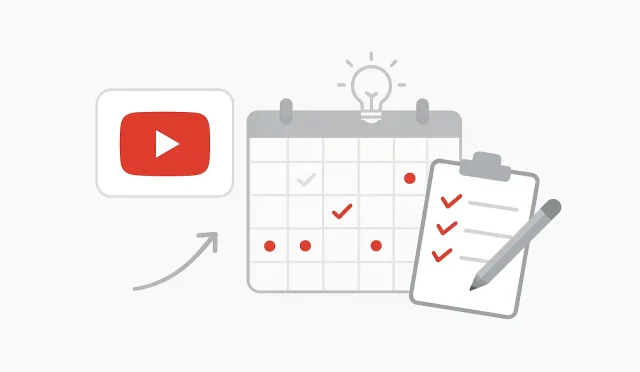
A content calendar is your ultimate planning tool. It could be a simple spreadsheet, a digital calendar, or a specialized project management tool. Map out your video topics, target keywords, publishing dates, and even promotional plans for weeks or months in advance. This foresight allows you to:
- Stay organized and avoid last-minute scrambling.
- Identify gaps in your content coverage.
- Plan for seasonal or trending topics well in advance.
- Maintain a consistent upload schedule effortlessly.
Regularly reviewing and adapting your content calendar is essential. YouTube’s landscape is always evolving, and so should your strategy. What worked last year might not be as effective today, emphasizing the need for continuous YouTube content planning and analysis.
Conclusion: Plan Smart, Grow Consistently
Effective YouTube content planning is not about stifling creativity; it’s about providing a robust framework within which your creativity can flourish. By deeply understanding your audience, making informed topic selections, establishing a realistic upload schedule, and building a cohesive content strategy, you lay the groundwork for sustainable growth and a fulfilling creator journey. Start small, be consistent, and don’t be afraid to adapt as you learn what resonates most with your community. Your future self (and your audience) will thank you for taking the time to plan.