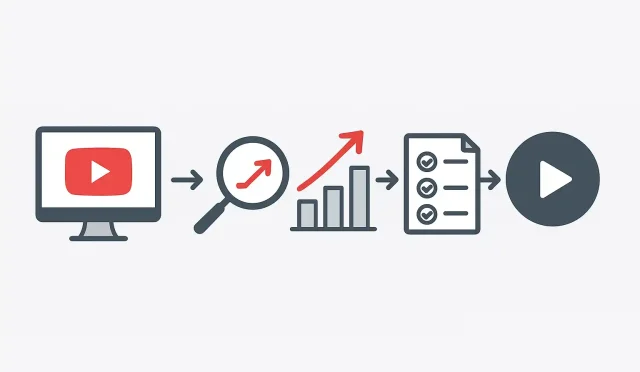
In the vast world of online video, simply uploading content isn’t enough to stand out. To truly reach your audience and expand your channel, you need to understand and apply YouTube SEO. This isn’t just about getting views; it’s about connecting with the right viewers who are genuinely interested in your content, leading to higher engagement and sustainable growth. Think of it as providing signposts for both YouTube’s algorithm and potential viewers, guiding them directly to your videos.
At its core, YouTube SEO (Search Engine Optimization) is the process of optimizing your videos to rank higher in YouTube’s search results and recommendations. When your videos appear prominently, they become more discoverable, attracting more clicks, watch time, and subscribers. It’s a fundamental skill for any creator looking to build a lasting presence on the platform.
How YouTube SEO Works: The Algorithm’s Perspective
YouTube’s algorithm is designed to serve users the most relevant and engaging content possible. It considers various signals when ranking videos. These include:
- Relevance: How well your video matches a user’s search query. This is heavily influenced by your title, description, and keywords.
- Engagement: Metrics like watch time (how long people watch your video), likes, dislikes, comments, and shares. High engagement tells YouTube your content is valuable.
- Audience Retention: The percentage of your video that viewers watch. Higher retention indicates compelling content.
- Click-Through Rate (CTR): The percentage of people who click on your video after seeing its thumbnail and title in search results or recommendations.
By optimizing your videos, you’re essentially speaking the algorithm’s language, making it easier for YouTube to understand what your video is about and who it should show it to.
Step 1: Mastering Keyword Research for YouTube
The journey to effective YouTube SEO begins with thorough keyword research. Keywords are the words and phrases people type into the search bar when looking for videos. Finding the right keywords means uncovering what your potential audience is actually searching for.
Practical Keyword Research Strategies:
- YouTube Search Suggestions: Start typing a topic into the YouTube search bar and see what autocomplete suggestions appear. These are common queries.
- Competitor Analysis: Look at successful videos in your niche. What keywords do they use in their titles, descriptions, and tags? While direct tag visibility is less prominent now, analyzing content themes is still valuable.
- “People Also Ask” (Google Search): Search your topic on Google and check the “People also ask” section for related questions. These often translate into excellent video topics and keywords.
- Audience Insights: Think about your target audience. What problems do they have? What questions are they asking? What solutions are they seeking?
Focus on a mix of broad and specific (long-tail) keywords. Long-tail keywords, like “how to edit travel vlogs on phone” instead of just “video editing,” often have less competition and attract a more targeted audience, increasing your chances of ranking. Tools can streamline this process significantly. For instance, platforms like VidIQ offer robust features to help you discover relevant keywords, analyze their search volume, and even spy on your competitors’ most successful tags. It’s a powerful way to gain data-driven insights. You can start exploring these tools and more by checking out the options available after you login to a platform like VidIQ.
Step 2: Analyzing Your Competition
Understanding your competitors isn’t about copying them; it’s about learning from their successes and identifying opportunities to differentiate yourself. Competition analysis provides valuable insights into what resonates with your shared audience.
What to Look For During Analysis:
- Top-Performing Videos: Which of their videos have the most views, likes, and comments? What topics do they cover?
- Keywords Used: How do they phrase their titles and descriptions? What primary keywords do they target?
- Engagement Patterns: Do certain video styles or topics generate more interaction? What kind of comments do viewers leave?
- Thumbnails and Intros: What makes their thumbnails clickable? How do they hook viewers in the first few seconds?
- Content Gaps: Are there topics your competitors haven’t covered, or areas where their content could be improved upon? This is where you can create unique value.
By understanding what works for others, you can refine your own strategy, find your unique angle, and produce content that stands out in a crowded space.
Step 3: Crafting Compelling Titles and Descriptions
Once you have your keywords and a sense of your competitive landscape, it’s time to apply that knowledge to your video’s metadata. Your titles and descriptions are crucial for both the algorithm and human viewers.
Optimizing Your Video Titles:
Your title is often the first thing people see. It needs to be a hook that encourages clicks while also being informative for YouTube’s algorithm.
- Include Your Primary Keyword: Place your main keyword naturally, ideally towards the beginning of the title.
- Be Clear and Concise: Tell viewers what the video is about quickly.
- Create Curiosity: Use intriguing language or pose a question to make people want to know more.
- Keep it Within Limits: Aim for titles between 50-70 characters to ensure they display fully on most devices.
- Use Numbers and Brackets: These can make titles stand out (e.g., “5 Tips for Vlogging [Beginner’s Guide]”).
Writing Effective Video Descriptions:
The description provides context for your video, telling both YouTube and your audience what it covers. It’s an opportunity to include more keywords and useful information.
- Start Strong with Keywords: The first 2-3 sentences are crucial. Include your primary and secondary keywords here.
- Elaborate on Your Content: Provide a detailed summary of what viewers will learn or experience in the video.
- Include Timestamps: For longer videos, timestamps (e.g., “0:00 Intro, 1:30 Keyword Research”) help viewers navigate and improve watch time.
- Add Relevant Links: Link to your social media, website, or other related videos.
- Call to Action: Encourage viewers to like, comment, subscribe, or visit a link.
- Use Secondary Keywords and Synonyms: Naturally weave in other relevant keywords and variations to broaden your video’s discoverability.
Beyond Titles and Descriptions: Other SEO Factors
While keywords, titles, and descriptions are fundamental, remember that **YouTube SEO** is a holistic effort. Don’t forget about:
- Thumbnails: A compelling, custom thumbnail is vital for click-through rates. It should be eye-catching and accurately represent your video.
- Tags: While less impactful than they once were, relevant tags still help YouTube understand your content. Use a mix of broad and specific tags.
- End Screens and Cards: Use these to promote other videos, playlists, or your subscribe button, keeping viewers on your channel longer.
- Audience Engagement: Actively respond to comments, encourage discussion, and create content that naturally fosters interaction. High engagement signals quality to YouTube.
Conclusion: Consistency and Quality Reign Supreme
Mastering YouTube SEO is an ongoing process that combines technical optimization with creating high-quality, valuable content. It’s not a one-time task but a continuous effort of research, optimization, and analysis. Focus on providing real value to your audience, and then use these SEO principles to ensure that value is easily discoverable. With consistent effort and a data-driven approach, you can significantly improve your channel’s visibility, attract a dedicated audience, and achieve sustainable growth on YouTube.