Starting a YouTube channel or looking to grow an existing one can feel like navigating a maze without a map. We all know the feeling of staring at a blank screen, wondering what to create next or why a brilliant idea didn’t quite land with viewers. The truth is, behind every thriving channel is a solid strategy, and mastering effective YouTube content planning is not just about having good ideas – it’s about making those ideas work for your audience and your channel’s long-term success. This guide will walk you through practical steps to plan your content effectively, making your creator journey more predictable and rewarding.
Understanding Your Niche and Audience
Before you even think about specific video ideas, you need a clear understanding of who you are trying to reach and what unique value you bring. This foundational step is often overlooked but is crucial for sustainable growth.
Defining Your Niche
Your niche isn’t just a topic; it’s the specific angle or perspective you bring to that topic. For example, instead of just “cooking,” your niche might be “quick, healthy vegan meals for busy parents” or “gourmet French patisserie for aspiring home bakers.” A defined niche helps you stand out in a crowded space and attracts viewers who are genuinely interested in what you offer. Think about your passions, your expertise, and what problems you can help solve for others.
Identifying Your Target Audience
Who is your ideal viewer? Try to paint a detailed picture. What are their demographics (age, location, interests)? What challenges do they face that your content can address? What kind of language do they use, and what other channels do they watch? Understanding your audience deeply allows you to create content that genuinely resonates, making them more likely to subscribe and return. Don’t try to appeal to everyone; focus on serving your specific community exceptionally well.
Generating and Refining Content Ideas
Once you know who you’re talking to, the next step is to brainstorm content ideas that will capture their attention and provide value. This process should be dynamic, combining creativity with data-driven insights.
Brainstorming Techniques
- Mind Mapping: Start with your core niche and branch out to related topics, questions, and keywords.
- Audience Feedback: Pay attention to comments on your videos, social media, and community posts. What questions are people asking? What topics do they want more of?
- Competitor Analysis: Look at what successful channels in your niche are doing. What kind of videos perform well for them? This isn’t about copying, but about understanding what resonates and finding your unique spin.
- Evergreen vs. Trending: Aim for a mix. Evergreen content remains relevant for a long time (e.g., “How to start a garden”), while trending content can give you a quick boost in visibility (e.g., “Reacting to the latest tech gadget”).
Integrating Keywords and Search Intent
Your content ideas shouldn’t just be interesting; they should also be discoverable. This is where keywords come into play. Think about what your target audience would type into the YouTube search bar to find content like yours. For example, if your niche is “digital art tutorials,” potential keywords might include “Procreate beginner guide,” “Photoshop drawing tips,” or “best drawing tablet for artists.”
To truly elevate your YouTube content planning, considering tools that provide data-driven insights can be incredibly valuable. For instance, platforms like VidIQ offer robust features for keyword research, competitor analysis, and even daily idea generation. Exploring such resources can give you a significant edge in understanding what your audience is searching for and what gaps you can fill in the market. You can explore their features and see how they might fit into your workflow by logging in here: https://vidiq.com/login. Remember, these tools are there to assist your strategic thinking, not replace it.
Crafting a Consistent Upload Schedule
Consistency is often cited as one of the most important factors for YouTube growth, and for good reason. It builds audience expectation and signals to the algorithm that your channel is active and reliable.
Why Consistency Matters
Regular uploads keep your audience engaged and coming back for more. It also helps the YouTube algorithm understand your channel’s rhythm, potentially leading to more consistent recommendations. More importantly, it helps you, the creator, build discipline and momentum.
Finding Your Rhythm
Be realistic about how many videos you can produce per week or month while maintaining quality. It’s far better to upload one high-quality video every week consistently than to upload three videos one week and then disappear for a month. Consider your production process: scripting, filming, editing, thumbnail creation, and promotion all take time. Start with a schedule you know you can stick to, whether it’s once a week, bi-weekly, or even monthly, and then adjust as you become more efficient.
Batching Content for Efficiency
Many successful creators use batching to maintain their schedule. This means dedicating specific days to specific tasks. For example, one day for brainstorming and scripting, another day for filming multiple videos, and then spreading out editing tasks over the week. This approach can significantly reduce stress and improve your overall production workflow, making your **effective content planning** much smoother.
Structuring Your Content Strategy
Beyond individual videos, think about your content in terms of broader strategies that tie everything together and keep viewers on your channel longer.
Content Pillars
These are the 3-5 main categories or themes that your channel consistently covers. For a fitness channel, pillars might be “workout routines,” “healthy recipes,” and “mindset & motivation.” Having clear pillars helps you stay focused, ensures a variety of content for your audience, and makes it easier for viewers to understand what your channel is about.
Series vs. Standalone Videos
Consider creating content series that encourage viewers to watch multiple videos. A “Beginner’s Guide to [Topic]” series, for example, can keep viewers engaged for longer. Standalone videos are great for quick wins and trending topics, but series build deeper viewer relationships and provide clear pathways for viewers to explore your content library.
Planning for Engagement
Don’t forget to plan for audience engagement within your videos. This includes natural calls to action (CTAs) like asking viewers to comment on a specific question, subscribe, or check out another related video. Engagement is a two-way street, and planning for it from the outset makes it more likely to happen.
Tools to Aid Your Planning Journey
While creativity and audience understanding are paramount, various tools can streamline your content planning process. Beyond keyword research platforms, consider using simple organizational tools.
- Spreadsheets: A simple Google Sheet or Excel file can be invaluable for tracking video ideas, production status, keywords, and upload dates.
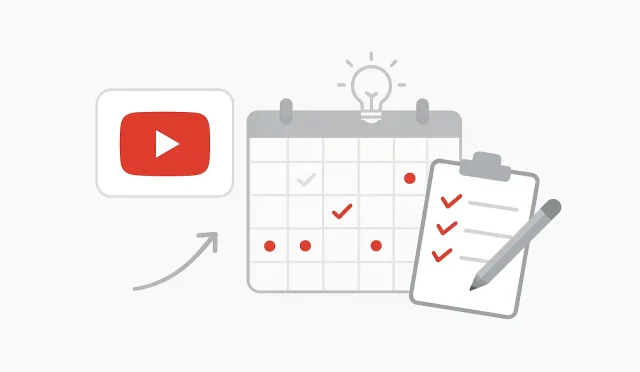
- Calendar Apps: Digital calendars (Google Calendar, Outlook Calendar) are perfect for scheduling your content, reminding you of deadlines, and visualizing your upload rhythm.
- Note-Taking Apps: Keep a digital notebook (Evernote, Notion, OneNote) handy for jotting down spontaneous ideas wherever inspiration strikes.
These tools, when used effectively, can transform a chaotic brainstorming session into a structured, actionable content plan.
Ultimately, consistent and **effective content planning** is the backbone of a successful YouTube channel. It reduces stress, ensures you’re always creating content that resonates with your audience, and provides a clear roadmap for growth. By investing time in planning, you’re not just making videos; you’re building a sustainable and thriving presence on YouTube. Start small, be consistent, and don’t be afraid to adapt your plan as you learn more about your audience and your own creative process.