Starting a YouTube channel or trying to grow an existing one can feel like navigating a maze without a map. Many creators pour their heart into videos only to find their efforts don’t translate into views or subscribers. The secret often isn’t just about making great videos, but about smart, strategic planning YouTube content. Effective content planning transforms scattered ideas into a clear roadmap, guiding you towards consistent growth and a thriving community.
This article will walk you through the essential steps of planning your YouTube content, from understanding who you’re talking to, to selecting topics that resonate, and setting up a schedule you can actually stick to. We’ll focus on practical, beginner-friendly advice to help you build a solid foundation for your channel’s future.
Why Effective YouTube Content Planning Matters
Without a plan, creators often fall into common pitfalls: inconsistent uploads, burnout, and content that misses the mark with their audience. Imagine constantly wondering what to post next, or worse, making videos nobody watches. It’s disheartening and unsustainable.
Effective planning, however, brings numerous benefits. It allows you to maintain consistency, which YouTube’s algorithm loves and your audience appreciates. It helps you avoid burnout by spreading out your workload and knowing exactly what’s next. Most importantly, it ensures your content is purposeful, targeted, and provides real value to your viewers, setting the stage for long-term success.
Understanding Your Audience: The Foundation
Before you even think about video ideas, you need to understand who you’re making videos for. This isn’t just about demographics; it’s about their interests, problems, and what they hope to gain from your content.
Defining Your Ideal Viewer
Think about your “ideal viewer” as a specific person. What are their interests? What questions do they have that your channel can answer? What kind of entertainment or information do they seek on YouTube? For example, if you run a cooking channel, are you targeting beginner home cooks looking for simple recipes, or experienced chefs seeking advanced techniques?
When you have a clear picture of who you’re speaking to, it becomes much easier to tailor your topics, tone, and video style directly to their needs, making your content more impactful and engaging.
Listening and Adapting
Your audience isn’t static, and neither should your understanding of them be. Utilize YouTube Analytics to see which videos perform best, where your viewers come from, and how long they watch. Pay close attention to comments and community posts; they are a goldmine for direct feedback and new content ideas. Look at what successful channels in your niche are doing, but always filter it through your unique perspective and audience needs.
Topic Selection: Finding Your Niche and Ideas
Once you know who you’re talking to, the next step is deciding what to talk about. This involves balancing your passions with what your audience wants and what the platform rewards.
Brainstorming Core Topics
Start with what you’re passionate about and knowledgeable in. What topics could you talk about for hours without getting bored? Where do your skills lie? Now, cross-reference these with your ideal viewer’s interests. The sweet spot for your channel often lies at the intersection of your passion, expertise, and audience demand.
Don’t be afraid to niche down initially. It’s easier to attract a dedicated audience for a specific topic than to try to appeal to everyone. As you grow, you can gradually expand your scope.
Leveraging Keyword Research
For your videos to be discovered, they need to show up in search results. This is where keyword research comes in. By understanding what terms people are searching for related to your niche, you can create content that directly addresses those queries.
Tools like VidIQ can be incredibly helpful for identifying trending topics and understanding what your audience is searching for, providing data-driven insights to refine your strategy. You can explore their features to support your planning process by logging in here: https://vidiq.com/login. Utilizing such tools is a key part of **planning YouTube content** effectively, ensuring your efforts are directed towards discoverable and relevant topics.
Evergreen vs. Trending Content
A balanced content strategy often includes both evergreen and trending topics. Evergreen content (e.g., “How to bake sourdough bread”) remains relevant for a long time, providing consistent views over months or even years. Trending content (e.g., “Review of the latest tech gadget”) can give you a quick boost in views and help you tap into current conversations, but its relevance fades quickly. Aim for a mix that keeps your channel fresh while building a library of lasting value.
Crafting Your Content Strategy
With topics in mind, it’s time to structure your ideas into a cohesive plan.
Developing Content Pillars
Content pillars are broad categories or themes that your channel will consistently cover. For a fitness channel, pillars might be “workout routines,” “healthy recipes,” and “mindset for fitness.” These pillars help you organize your ideas, ensure variety, and provide a clear structure for your audience to understand what your channel is all about. Having these foundational themes makes the process of generating individual video ideas much smoother.
Idea Generation and Organization
Once you have your pillars, start brainstorming specific video ideas within each. Keep an “idea bank” – a simple document, spreadsheet, or a dedicated app like Trello – where you jot down every idea, no matter how small. Regularly review and refine these ideas, adding notes on potential video length, key points, and target audience benefits. This helps prevent those moments where you sit down to create, and your mind goes blank.
Setting a Sustainable Upload Schedule
Consistency is more important than frequency on YouTube. It’s better to upload one high-quality video reliably every week than to upload daily for a month and then disappear for two.
Consistency Over Frequency
Assess your resources – time, equipment, editing skills. How many videos can you realistically produce to a high standard without burning out? For many beginners, one video a week or even bi-weekly is a perfectly sustainable and effective starting point. The goal is to build a rhythm that you can maintain indefinitely.
Communicating Your Schedule
Once you decide on a schedule, stick to it and let your audience know. Mention it in your videos, in your channel description, or on your community tab. Viewers appreciate predictability, and knowing when to expect new content encourages them to return. This predictability fosters a sense of trust and community, vital for long-term subscriber retention.
Bringing It All Together: Your Content Calendar
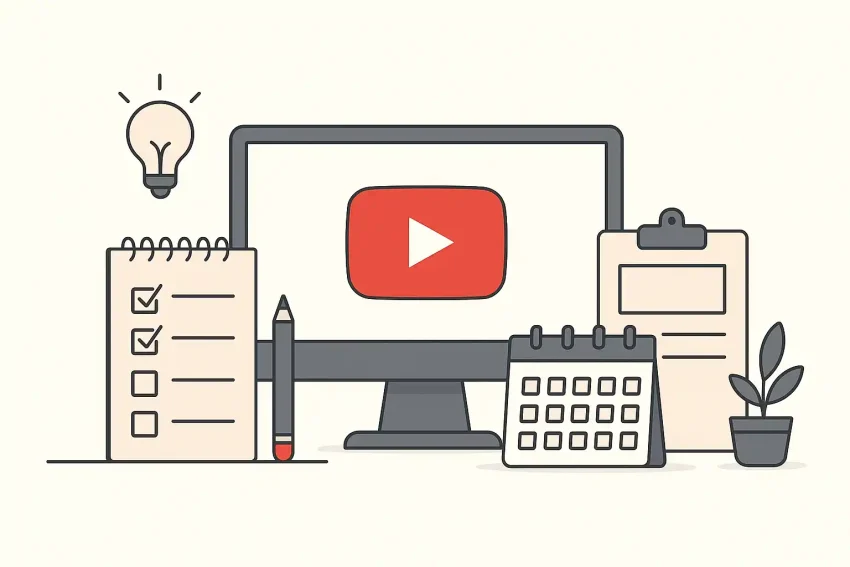
A content calendar is your ultimate tool for planning your YouTube content. It’s a visual representation of your upload schedule, detailing each video from idea to publication. You can use a simple spreadsheet, a Google Calendar, or a more specialized content planning tool.
For each video, include:
- Topic/Title
- Key keywords
- Target audience
- Main points/script outline
- Filming date
- Editing date
- Upload date
- Promotion plan (social media posts, community tab)
This organized approach minimizes last-minute scrambling and ensures every video aligns with your overall channel strategy. It transforms the overwhelming task of content creation into a series of manageable steps.
Reflecting and Evolving
Your first content plan won’t be perfect, and that’s okay. YouTube is an ever-changing platform, and your channel will evolve.
Analyzing Performance
Regularly revisit your YouTube Analytics. Which videos performed well, and why? Which didn’t, and what could be the reasons? Pay attention to audience retention, click-through rates, and viewer demographics. This data is invaluable for refining your future content ideas and strategies.
Don’t Be Afraid to Adjust
If certain types of content aren’t resonating, or if your passions shift, don’t be afraid to adjust your plan. Flexibility is key to long-term success. The goal of effective YouTube content planning is not to create an rigid, unchangeable blueprint, but a living document that adapts to your channel’s growth and your audience’s needs.
Conclusion
Successfully growing a YouTube channel requires more than just good ideas; it demands intentional, strategic effort. By dedicating time to **planning YouTube content effectively**, you’re not just organizing your videos – you’re building a sustainable path to connect with your audience, achieve your creative goals, and truly thrive on the platform.
Start small, be consistent, and always listen to your audience. The journey of _YouTube content planning_ is continuous, but with a clear plan, you’ll find yourself not just creating videos, but building a meaningful community and a successful channel. Your future self (and your audience!) will thank you for taking the time to plan deliberately.